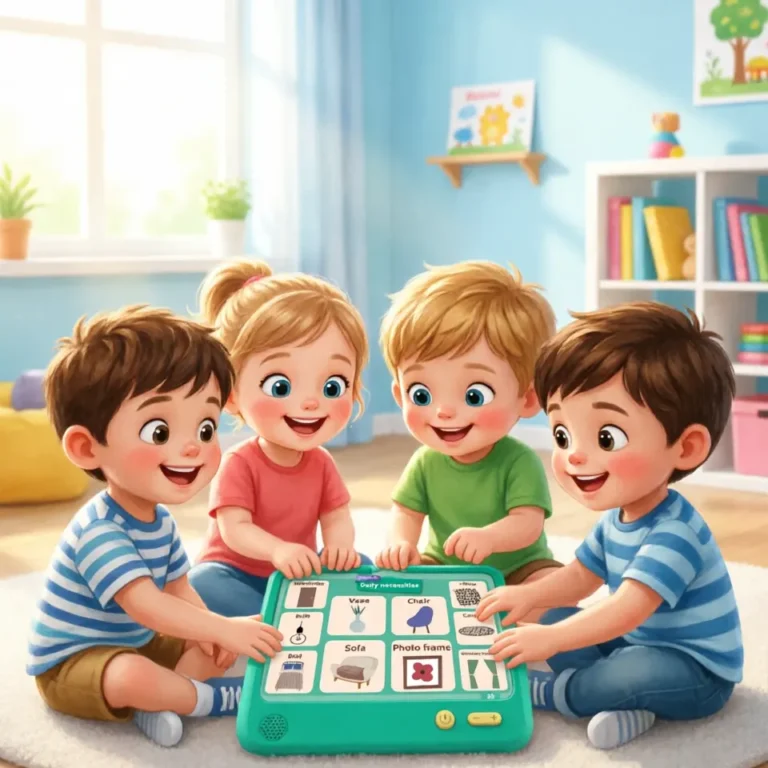
A card education device is an innovative tool designed to transform learning into an engaging, hands-on experience for children. Unlike passive screen time, this device encourages young learners to actively explore new concepts, develop problem-solving abilities, and cultivate critical thinking skills—all while having fun. By combining interactive cards, puzzles, and mini-games, children are guided through structured challenges that stimulate curiosity, observation, and logic in a playful and rewarding way.
Why a Card Education Device is Worth the Adventure
Learning with a card education device turns everyday play into a meaningful cognitive experience. By providing a tangible, interactive approach, it allows children to experience success through exploration and discovery. Children are naturally curious, and a well-designed card system channels that curiosity into productive learning moments.
- Learning is more fun with cards: Flash cards are designed to surprise and engage. Each card presents colorful visuals and challenges that motivate children to explore further. This approach helps them build memory and reasoning skills in a way that feels like play rather than formal learning.
- A journey for curious minds: The activities included in the device encourage children to plan their steps, anticipate outcomes, and think critically. These skills are essential for problem-solving and can be applied to everyday situations, laying the groundwork for lifelong learning.
- Interactive challenges designed for children: The difficulty levels of games and puzzles are carefully calibrated for young learners. This ensures that children remain engaged without becoming frustrated, providing a sense of accomplishment as they progress through each challenge.
By turning learning into an adventure, a card education device not only reinforces academic concepts but also strengthens children’s confidence in their abilities. Small achievements, such as completing a puzzle or unlocking a new card challenge, reinforce persistence and curiosity.
Exciting Features of a Card Education Device
The appeal of a card education device lies in its ability to engage multiple senses. Children do not just passively receive information—they see, touch, and manipulate the cards, integrating visual, tactile, and cognitive learning experiences.
- Flash cards with surprises: Each card contains vibrant graphics and interactive elements that capture attention while introducing essential literacy and numeracy concepts. The combination of tactile and visual stimulation helps children retain information more effectively.
- Mini-games and rewards: Completing logic puzzles and memory challenges provides immediate feedback through rewards and recognition. This system encourages children to continue learning, as they associate effort with accomplishment.
- Interactive challenges for children: The device is designed to scale in difficulty, allowing younger learners to succeed while gradually introducing more complex problems. This adaptive approach ensures sustained engagement, promotes critical thinking, and enhances hand-eye coordination.
The sensory and interactive design of the card education device helps children develop a variety of cognitive and motor skills simultaneously. By engaging in playful activities, children enhance their ability to focus, recognize patterns, and make connections between concepts.
Exciting Activities to Play with a Card Education Device
A card education device offers a wide range of activities that combine learning and play. These activities are carefully crafted to promote cognitive development while keeping children entertained.
- Match shapes, colors, or animals: Activities that require pattern recognition or matching exercises help children develop memory and observation skills. These games challenge the mind while providing visual stimulation and reinforcing learning enjoyably.
- Solve quick puzzles to catch treasure: Logic-based mini-games encourage sequential thinking and problem-solving. Children learn to plan, anticipate outcomes, and implement strategies, which strengthens analytical skills.
- Level up and unlock new adventures: Many devices feature progression systems, rewarding children as they complete challenges. This gamified approach motivates learners to persist through increasingly complex activities, reinforcing both patience and strategic thinking.
By providing a variety of activities, card education devices ensure that children do not become bored or disengaged. Each type of activity targets different aspects of learning, from critical thinking to coordination, while promoting a sense of achievement and discovery.
How to Make the Most of a Card Education Device
To fully benefit from a card education device, consistent engagement and structured play are key. Regular use reinforces learning and helps children establish productive routines.
- Play daily for 10–15 minutes: Short, focused sessions are highly effective in reinforcing attention, memory, and problem-solving skills. These brief interactions prevent fatigue and maintain children’s interest.
- Invite friends to join: Cooperative or competitive play can enhance social skills, teamwork, and communication. Children learn to negotiate, share, and support one another while solving problems together.
- Celebrate achievements with stickers or rewards: Recognizing milestones encourages persistence and motivates children to continue exploring. Positive reinforcement strengthens confidence and builds a sense of personal accomplishment.
Engagement in a supportive environment, combined with the device’s interactive design, allows children to experience learning as an enjoyable, meaningful activity rather than a chore. Parents and educators can use these moments to guide exploration, ask reflective questions, and encourage critical thinking.
Recommended Product
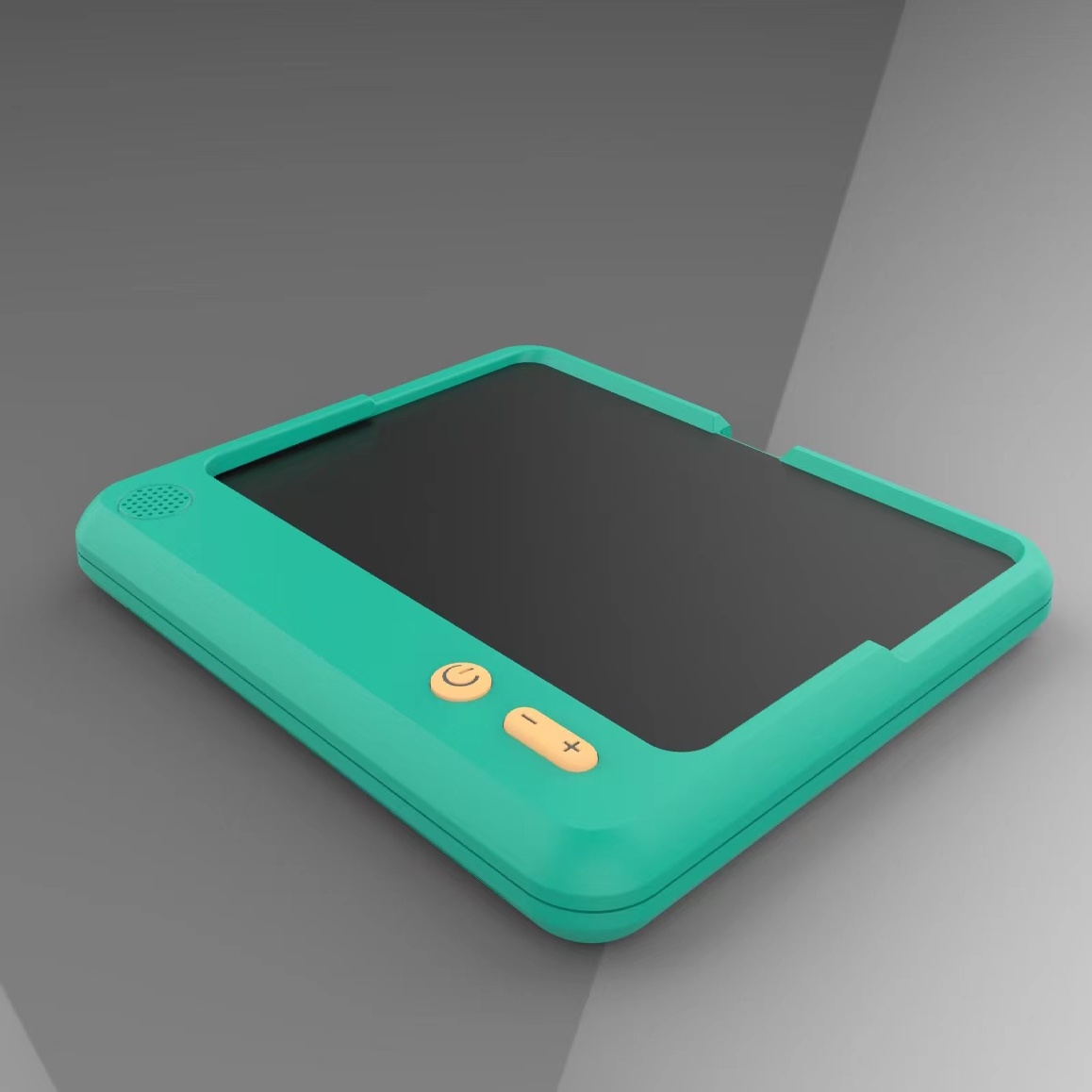
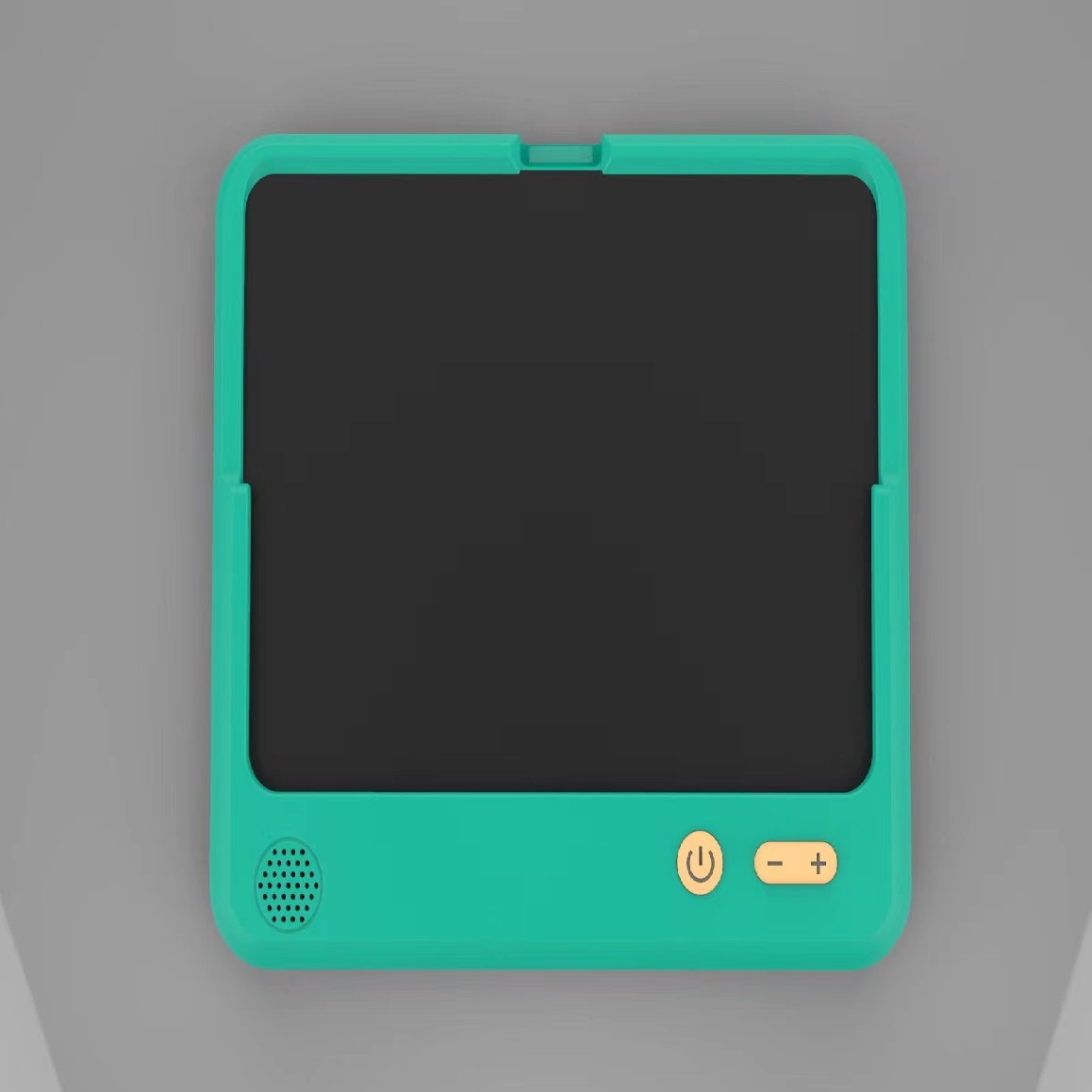
For early learning, the DD-01 Children’s Enlightenment Reading Machine from Smart Tomato exemplifies the benefits of a card education device. Designed for children ages 3–8, this screen-free device combines storybook reading, voice narration, and tactile interaction through a plug-and-play card system. It comes with 50 high-quality learning cards covering 18 modules, including letters, numbers, fruits, vegetables, animals, daily essentials, body parts, and shapes. The cards are made from FSC-certified 300g coated paper with eco-friendly soy ink and high-density waterproof lamination for durability and safety. Sensitive components allow children to interact by tapping, providing a playful learning experience that also stimulates hand-eye-brain coordination.
Conclusion
A card education device offers children a hands-on, interactive approach to learning that develops cognitive, linguistic, and social skills. Integrating flash cards, mini-games, and problem-solving activities, it makes education both effective and enjoyable. The multi-sensory, engaging design encourages children to explore, experiment, and challenge themselves, laying the foundation for lifelong learning. With consistent use, cooperative play, and positive reinforcement, a card education device transforms everyday learning into a fun, rewarding adventure.
For more information about Smart Tomato’s card education devices and how they can support your child’s development, contact us today.