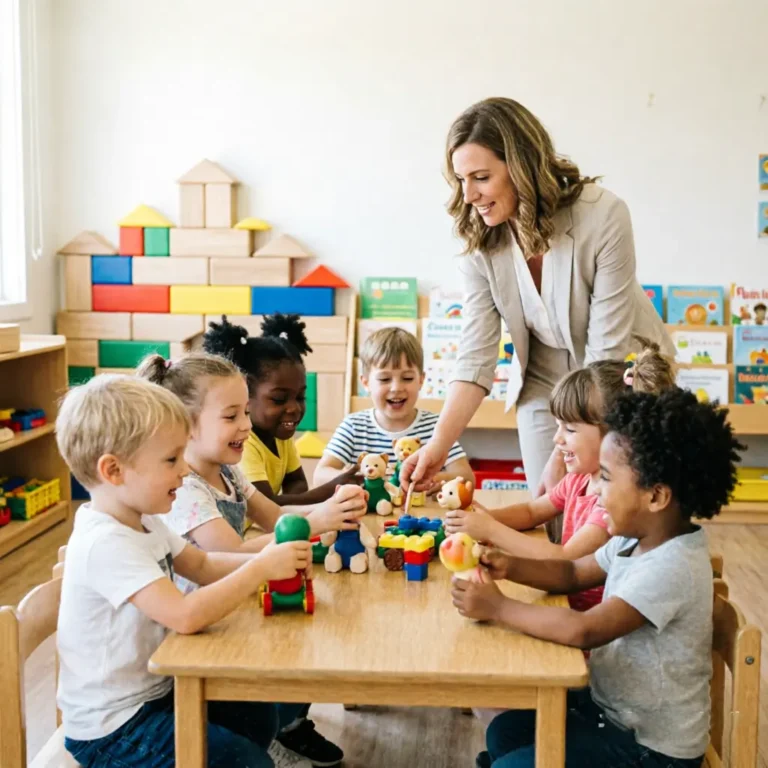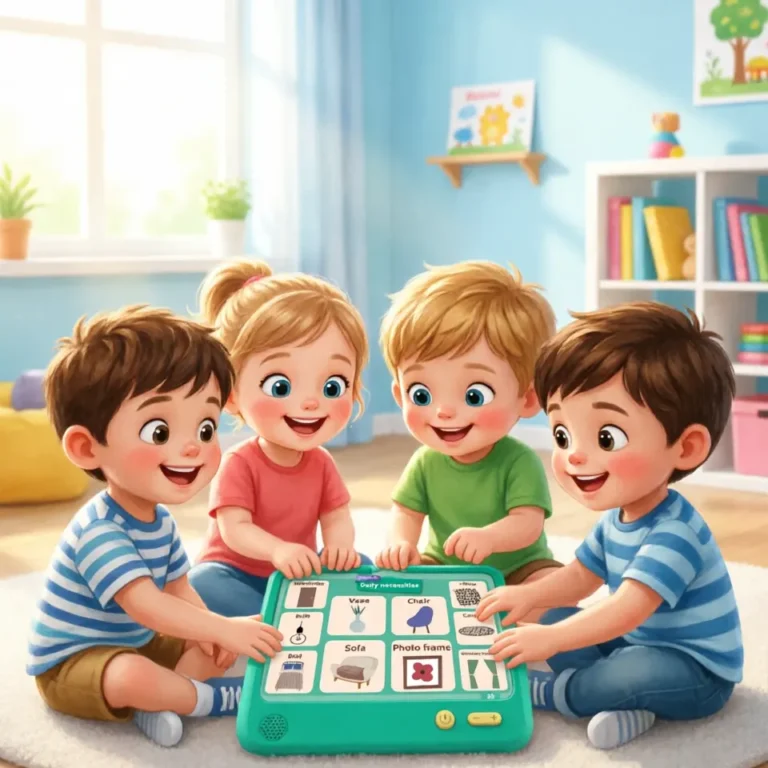
In modern home education, educational online games are becoming an increasingly popular way for children to learn. These games combine interactive design with fun, integrating learning content into gameplay so that children absorb knowledge and skills almost effortlessly. Among them, the puzzle game is one of the most popular choices because it not only sparks children’s interest but also helps develop a range of skills, including logical thinking, spatial awareness, and memory. While playing, children are constantly experimenting, thinking, and solving problems—an active learning approach far more effective than passive knowledge absorption. This article explores how educational games help children learn while having fun, highlighting the benefits of the puzzle game in cognitive development, creativity, problem-solving, and more.

1. Enhancing Cognitive Abilities
Educational games can significantly improve children’s cognitive skills, including:
- Logical thinking training: In the puzzle game, children face levels of varying shapes and complexity, analyzing the impact of each move and creating strategies to solve the puzzles step by step.
- Understanding cause and effect and planning: Moving blocks and completing challenges helps children understand cause-and-effect relationships while developing planning skills.
- Memory and attention improvement: Repeated challenges and multi-step operations strengthen memory and train children to maintain focus while completing tasks.
- Multi-tasking skills: As the levels become more challenging, children must consider multiple factors simultaneously, enhancing observation, judgment, and multitasking abilities.
- Positive reinforcement and motivation: Games provide instant feedback and rewards. Completing each level gives children a sense of accomplishment, which further motivates them to engage and makes cognitive training enjoyable.
2. Boosting Creativity and Imagination
Many educational games encourage children to think independently and try multiple approaches. The puzzle game offers diverse level layouts and block shapes, allowing children to explore different strategies and move combinations. This freedom encourages creativity, teaching children to find innovative solutions within constraints. By experimenting and correcting mistakes, children strengthen their imagination and learn to adapt flexibly to changing situations. When played with family or peers, discussion and collaboration further expand their thinking and problem-solving strategies.
3. Developing Problem-Solving Skills
Problem-solving is a critical skill in learning and life. In the puzzle game, children face levels of varying difficulty, requiring analysis, strategy planning, trial-and-error, and ultimately finding optimal solutions. Each failure becomes a learning opportunity, teaching children to learn from mistakes rather than give up. Continuous challenges and strategy adjustments cultivate systematic thinking, enabling children to approach complex problems step by step. These problem-solving skills are transferable to everyday life, helping children respond calmly and methodically to real-world challenges.
4. Fostering Self-Discipline and Focus
Educational games are effective in cultivating children’s self-discipline and focus, including:
- Maintaining attention to complete tasks: While completing levels, children must focus on every move and follow step-by-step instructions, training their attention stability.
- Progressive difficulty design: Games gradually increase in complexity, helping children maintain patience and concentration without giving up easily.
- Building self-discipline: Repeated practice and level completion gradually instill self-discipline, encouraging children to manage their own activities and learning time.
- Enhancing time management skills: Regular gameplay helps children plan and organize their time, making them more structured in completing homework or other tasks.
- Instant feedback and rewards: Games provide immediate feedback and rewards, motivating children to keep improving and fostering positive self-management habits.
5. A Great Tool for Family Interaction
Educational games also promote family interaction. Parents can play the puzzle game with their children, discussing strategies and solutions while exchanging ideas and experiences. This strengthens parent-child relationships and allows children to learn in a fun and supportive environment. Through gameplay, children develop listening, communication, and collaboration skills, while learning to share strategies and achievements within a team. Family participation encourages children and makes the learning process more engaging and motivating.
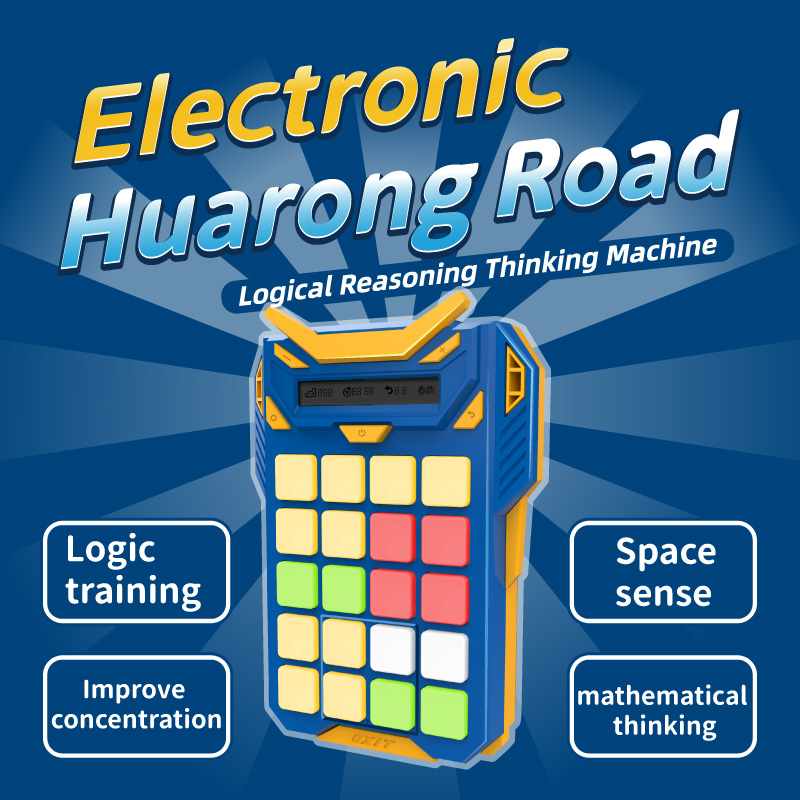
Recommended Product: DD-03 Electronic Huarong Road
For a more engaging logic training experience at home, we recommend DD-03 Electronic Huarong Road. This electronic version of the traditional Chinese puzzle game is suitable for children aged 3–12. It features 500 levels ranging from easy to difficult, with a scientifically designed progressive difficulty system to gradually challenge children. Players move different shaped blocks to guide the red block to the bottom center, with built-in light and sound rewards and sensors to make learning logic fun and interactive.
The product supports timed and challenge modes, encouraging children to seek the best solutions and achieve self-improvement. Made of ABS and silicone, the soft, translucent buttons are comfortable and durable while protecting eyesight. It has passed multiple quality tests, and its compact design makes it ideal for use at home, school, or during travel—providing fun and challenging brain training for both children and adults.
Conclusion
Educational games are transforming the way children learn, and the puzzle game stands out as a representative example. Its logical challenges, creative tasks, and interactive design help children develop cognitive skills, creativity, and problem-solving abilities while having fun. By incorporating games into daily routines, parents can ensure that children enjoy themselves while learning effectively.
At Smart Tomato, we are dedicated to combining education with entertainment. In addition to offering ready-to-play educational games, we provide customized products, tailored to your ideas and needs to create unique learning experiences for your children. If you would like to learn more or bring a creative idea to life, feel free to contact us—let’s make learning fun together!