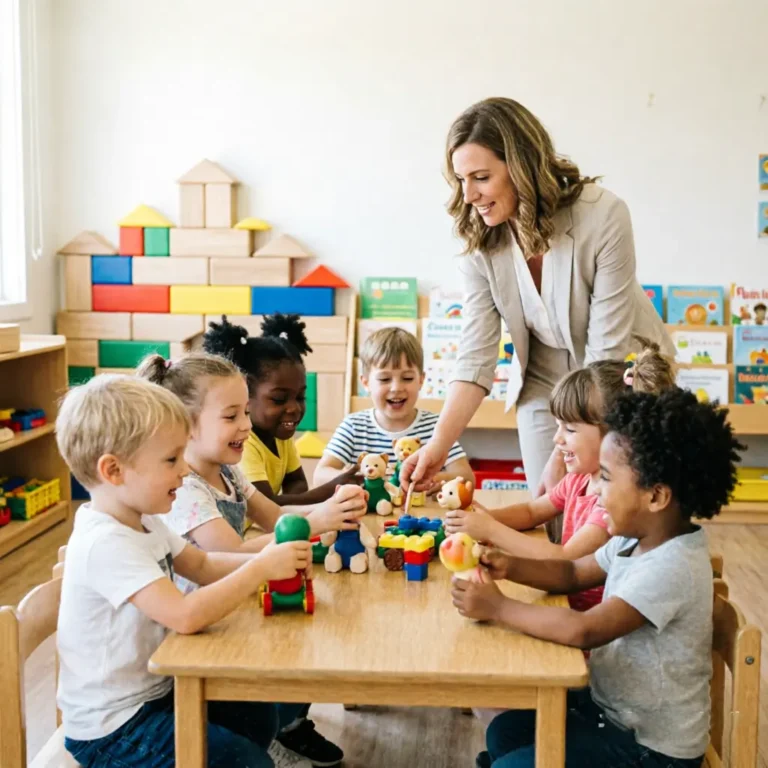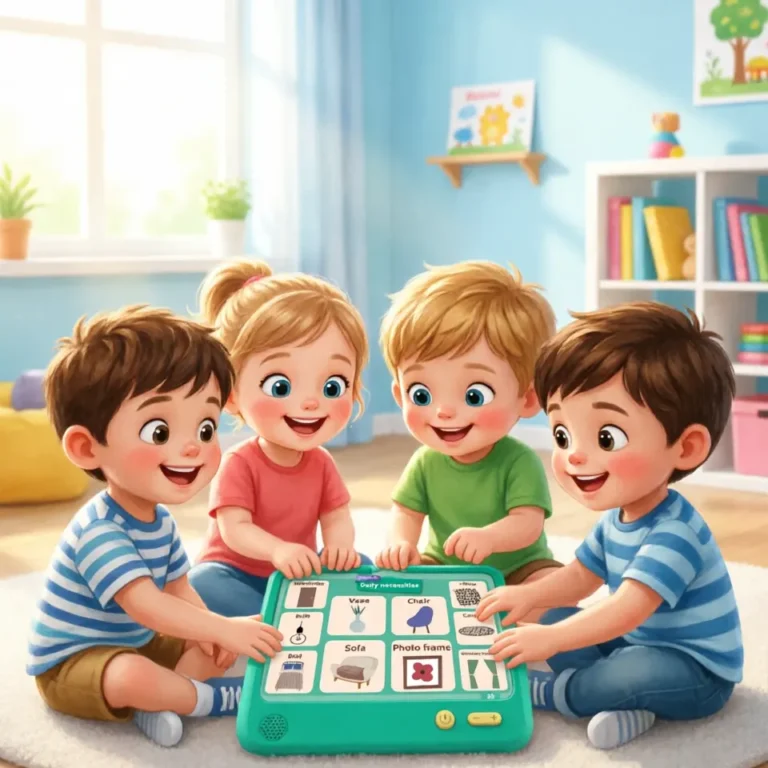
For preschool children, play is not only a source of entertainment but also a critical way to develop thinking, memory, and problem-solving skills. Learning colour toys have emerged as essential educational tools in 2026, helping children explore colour while engaging in hands-on, independent activities. The DD-02 Colour Decryption Scientific Thinking Machine exemplifies this approach, blending color learning with reasoning and logic challenges to create a stimulating experience.
Independent play is increasingly emphasized by educators because it encourages children to think creatively, make decisions, and solve problems without constant adult guidance. Let’s examine how learning colours toys fosters autonomous learning while simultaneously nurturing cognitive development, fine motor skills, and creative abilities.
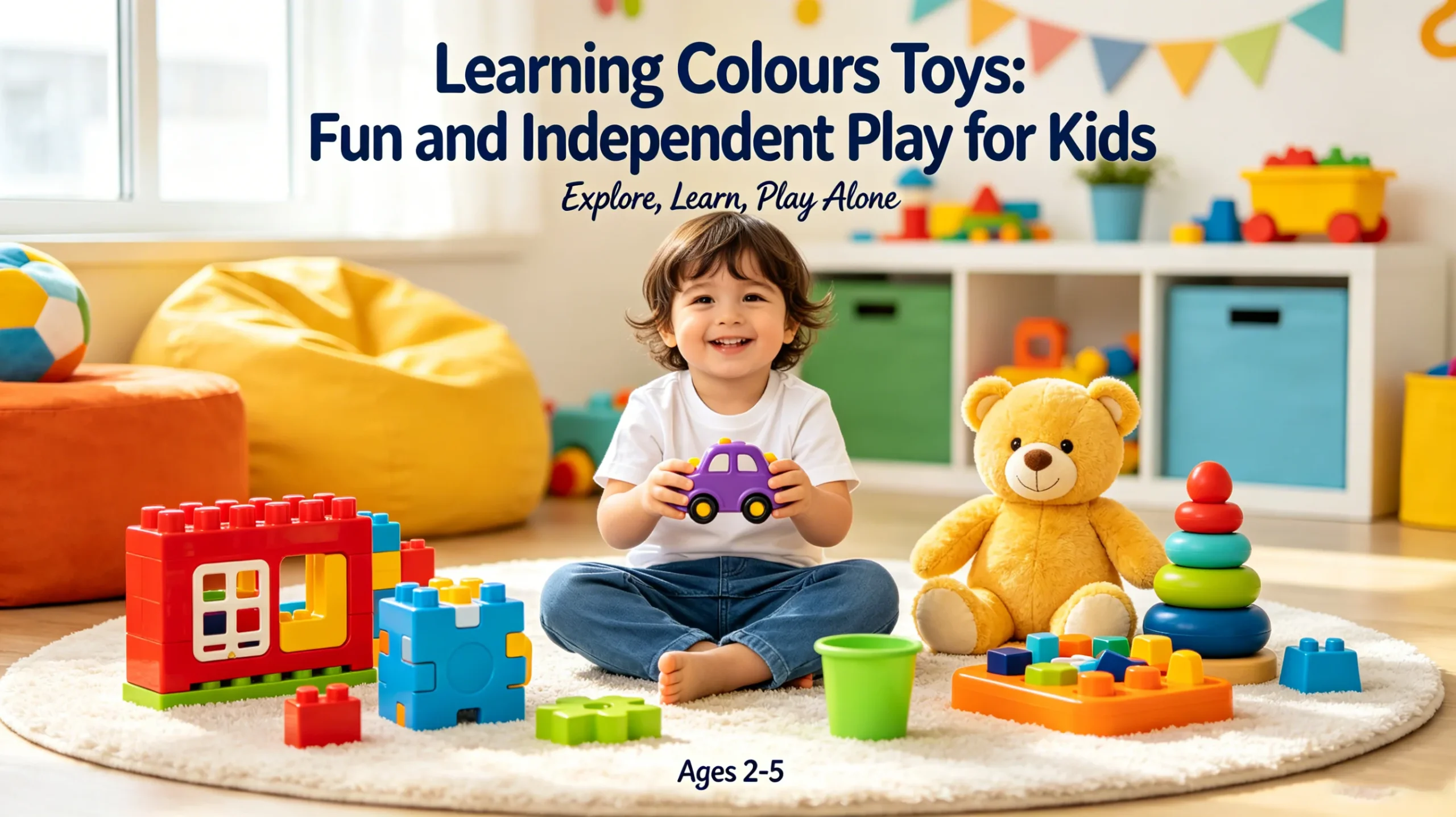
Why Learning Colours Toys Are Important
- Building Colour Recognition Skills:
Learning to recognize and distinguish colors is more than identifying red from blue—it develops attention, categorization, and visual discrimination. With every colorful piece, card, and matching challenge they tackle, children sharpen their eyes to recognize the finest details in shades, patterns, and shapes! Strong color recognition supports later learning in reading, sorting, and mathematics.
- Observation and Focus Development:
Many learning color toys challenge children to carefully observe patterns, sequence colors, and identify differences between objects. These tasks improve attention to detail, concentration, and patience. As children practice observing independently, they naturally build the perseverance needed to thrive in structured learning environments!
- Supporting Logical Thinking:
Modern learning colours toys often go beyond simple colour identification by incorporating puzzles, sequencing activities, and decoding challenges. As children analyze color relationships and search for solutions, they develop logical reasoning skills. By observing and experimenting, kids unlock the skills to recognize patterns, make smart predictions, and solve problems independently!
- Encouraging Scientific Exploration:
Scientific thinking begins with curiosity and discovery. Many learning colours toys introduce children to concepts such as classification, comparison, and cause-and-effect relationships. Through hands-on color-based activities, children learn to test ideas, explore different outcomes, and understand how information can be organized, creating an early foundation for STEM-related learning.
Encouraging Cognitive Growth Through Play
- Scientific Thinking and Problem Solving:
Modern color-learning toys integrate problem-solving challenges. With the DD-02 Colour Decryption Scientific Thinking Machine, for example, children are empowered to crack color codes and conquer logical puzzles! This introduces early scientific thinking, teaching children to make observations, test ideas, and draw conclusions. - Pattern Recognition Exercises:
Recognizing sequences and relationships between colors strengthens logical reasoning. Activities such as arranging colored blocks in a specific order or decoding color-coded sequences promote analytical thinking. Lay the groundwork for future math success! These exercises naturally teach kids the essentials of ordering, grouping, and comparing. - Fine Motor Coordination:
Manipulating colorful pieces, turning components, or sliding tiles in a puzzle improves hand-eye coordination and fine motor skills. These physical abilities are essential for drawing, writing, and other classroom tasks. - Memory and Cognitive Flexibility:
Remembering sequences, color combinations, or game rules challenges working memory. Regular play with learning colours toyshelps children retain information, compare alternatives, and make decisions, enhancing cognitive flexibility.
How Learning Colours Toys Support Independent Play
- Self-Guided Challenges:
Toys designed for color learning often provide tasks that children can attempt independently. Whether it’s matching colors, arranging pieces by shades, or decoding sequences, children can learn without constant adult supervision. This fosters self-confidence and motivation. - Decision-Making and Problem Solving:
Independent play encourages children to make choices, plan steps, and test solutions. For instance, when solving a color puzzle, a child decides which piece fits next, building reasoning and decision-making skills naturally. - Interactive Engagement:
Toys that offer responsive feedback—such as indicating correct or incorrect placements—keep children actively involved. This maintains attention while reinforcing learning objectives. - Creative Exploration:
Color toys also encourage creativity. Children can experiment with different combinations, invent new patterns, or integrate toys into imaginative play scenarios, strengthening both creativity and logical reasoning.
Tips for Parents to Maximize Learning
Parents play an important role in helping children gain the maximum educational value from early color education toys. By creating engaging learning opportunities and providing appropriate guidance,
- Rotate Activities Regularly– Introduce new color challenges or patterns to maintain interest.
- Encourage Reflection– Ask children to describe their choices, patterns, or strategies to reinforce learning.
- Combine Play With Learning– Discuss colors, shapes, and sequences during play to strengthen connections.
- Observe and Guide– While encouraging independence, monitor progress to provide support when needed.
By using these simple strategies, parents can help children develop stronger observation, reasoning, and problem-solving abilities while making color recognition toys a more effective part of everyday learning and play.
Choosing Learning Colours Toys in 2026
Selecting the right learning color toys is essential for ensuring that children benefit from both educational content and engaging play experiences.
- Educational Value: Select toys that combine color learning with reasoning, logic, and pattern recognition.
- Independent Play Features: Choose toys with clear objectives that children can navigate on their own.
- Durability and Safety: Ensure toys are made of safe, long-lasting materials suitable for preschoolers.
- Engagement: Fun and interactive design encourages repeated play without screens.
The DD-02 Colour Decryption Scientific Thinking Machine meets these criteria, offering multi-layered challenges that engage both visual and logical skills in children.
Conclusion
Unlock your child’s potential with learning colours toys! They perfectly blend color recognition, problem-solving, fine motor skills, and independent exploration to build a strong foundation for early development. Through activities like matching, pattern decoding, and color sequencing, children develop key cognitive and creative abilities while enjoying meaningful, self-directed play. In 2026, toys that integrate scientific thinking and independent learning are invaluable for fostering curiosity, confidence, and a love for exploration.
For additional guidance or more information about educational color-learning activities, visit Smart Tomato or contact the team for expert advice and practical support.