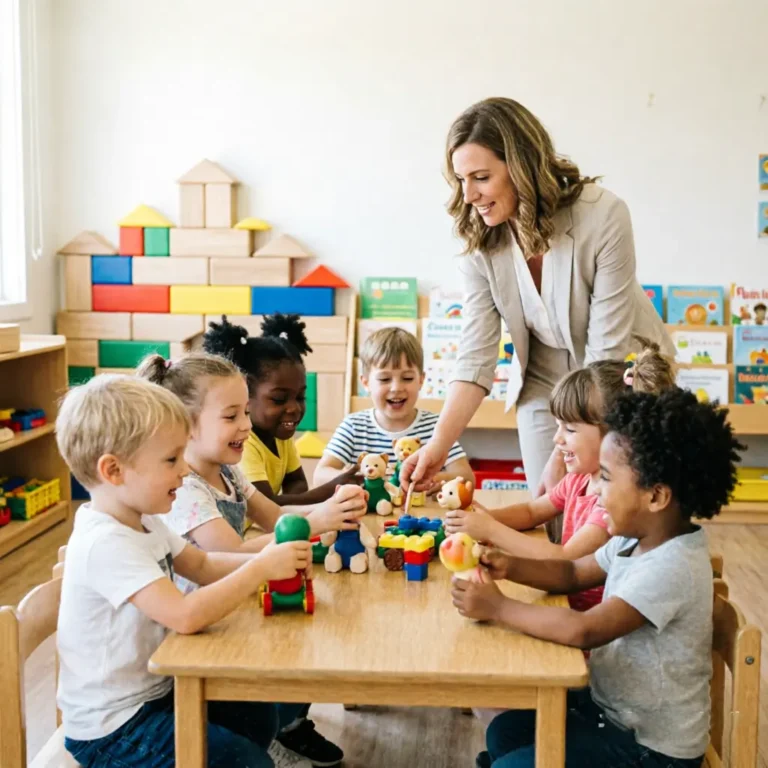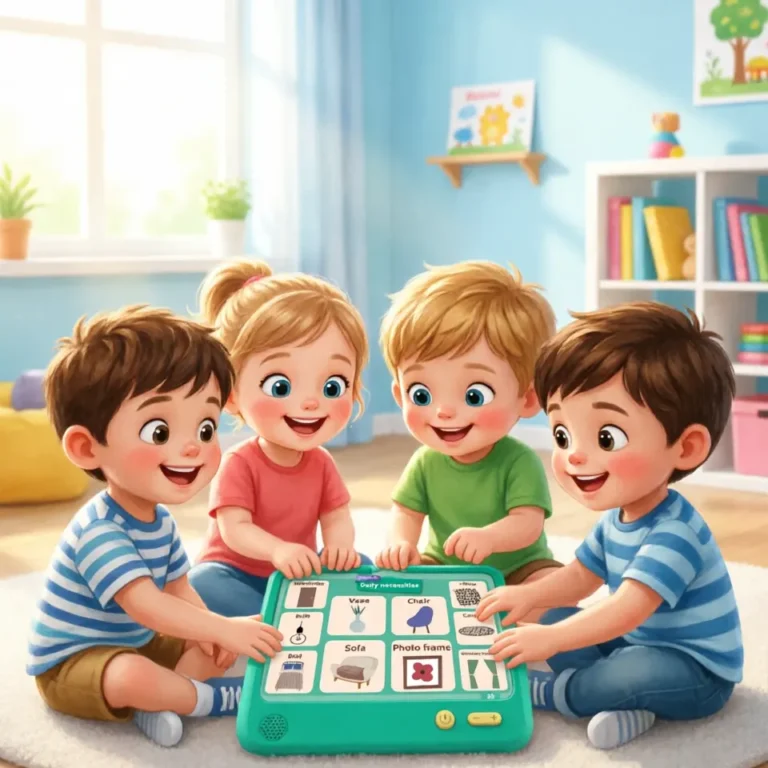
Finding the right educational toys age 3 has become a priority for many parents and educators in 2026. During this golden period of growth, children’s listening, speaking, reading, and writing skills—along with their physical coordination, interpersonal interactions, and cognitive abilities—are advancing by leaps and bounds! Rather than simply providing entertainment, modern educational toys are designed to encourage active participation, curiosity, and exploration. Interactive learning tools, reading machines, sound books, and educational games are increasingly popular because they help children learn through play while maintaining engagement.
As research continues to highlight the importance of early childhood education, many families are seeking practical ways to support development at home. Understanding how educational toys for age 3 contribute to learning can help parents choose activities that are both enjoyable and beneficial for young children. Below, we will systematically explore how these toys support learning through “play-based education” and foster key skills in three-year-old children.
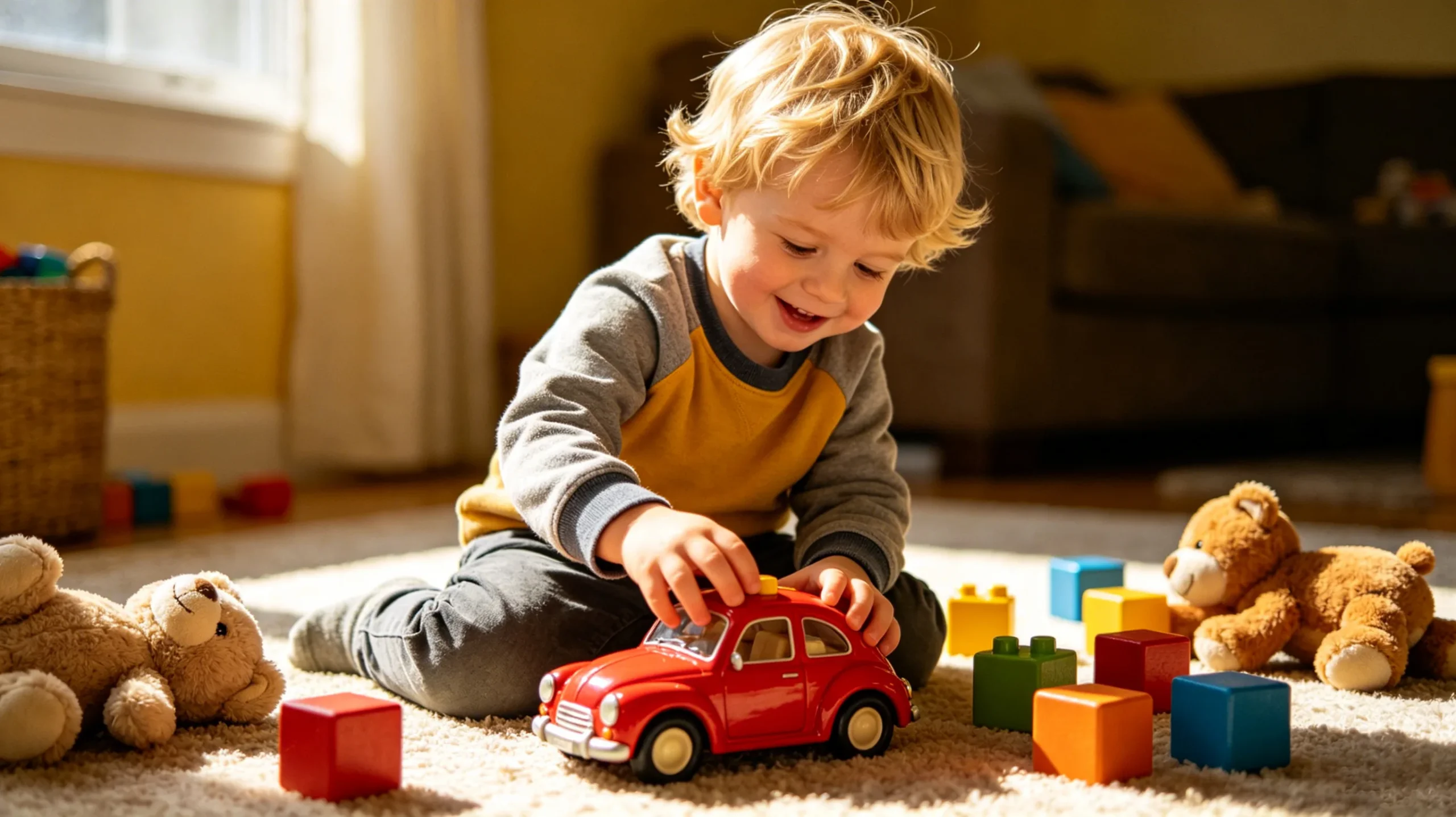
Why Educational Toys for Age 3 Are Important
1. Supporting Cognitive Development
During the third year of early childhood development, memory, logical reasoning, and problem-solving abilities all undergo significant enhancements and breakthroughs. Educational toys age 3 often include activities that encourage matching, sorting, sequencing, and recognition. These exercises help children identify patterns, make connections, and understand cause-and-effect relationships.
Interactive learning tools also encourage children to ask questions and explore new concepts independently. This active engagement strengthens critical thinking skills and creates a solid foundation for future academic learning.
2. Building Language and Communication Skills
Language development accelerates significantly at age three. Many educational toys for age 3 incorporate stories, songs, vocabulary exercises, and listening activities that expose children to new words and sentence structures. Interactive reading devices can help children improve listening comprehension and pronunciation while encouraging verbal expression. Regular exposure to language-rich activities supports communication skills that are essential for preschool and beyond.
3. Encouraging Creativity and Imagination
Creative play remains an important part of childhood development. Educational toys that include storytelling, role-playing, and interactive activities help children imagine different situations and create their own narratives. By encouraging imaginative thinking, educational toys for 3-year-olds help children develop problem-solving abilities, emotional understanding, and confidence in expressing ideas.
4. Promoting Independent Learning
Many modern educational toys are designed to be child-friendly and easy to operate. This allows children to explore content independently, make choices, and learn at their own pace. Independent exploration helps build confidence and self-motivation. It also encourages children to take ownership of their learning experiences, which can foster positive educational habits from an early age.
Educational Toys Age 3 for Learning Through Play
1. Interactive Reading Activities
Reading-based educational toys are becoming increasingly popular because they combine learning with engagement. Interactive reading activities introduce children to letters, words, sounds, and simple stories while maintaining their interest through participation. These experiences help children develop early literacy skills while creating positive associations with reading and learning.
2. Audio Learning and Listening Practice
Audio-based learning tools encourage children to focus on sounds, instructions, and spoken language. Listening activities can improve concentration, memory retention, and comprehension skills. Audio-based learning requires children to process information actively. This not only effectively fosters their cognitive development but also reduces their reliance on visual media.
3. Vocabulary and Early Literacy Development
Educational toys that include word recognition and vocabulary-building exercises help prepare children for future reading success. Repetition, storytelling, and guided activities reinforce language acquisition naturally and enjoyably. Consistent exposure to new vocabulary also helps children express themselves more clearly and confidently in everyday situations.
4. Fine Motor Skill Development
Many educational toys age 3 involve pressing buttons, turning pages, sorting pieces, or interacting with learning materials. Through these exercises, one can effectively strengthen visual-motor integration and the fine motor control of the hands. Developing these physical skills is important because they contribute to future writing, drawing, and classroom activities.
How to Choose Educational Toys Age 3
1. Focus on Age-Appropriate Learning
The most effective learning toys for 3-year-olds provide activities that match a child’s developmental stage. A just-right level of difficulty catalyzes growth—stimulating intellectual curiosity without becoming the straw that breaks the back of one’s self-confidence. Age-appropriate learning materials help maintain engagement while supporting skill development in a balanced way.
2. Prioritize Safety and Durability
Young children interact with toys enthusiastically, so durability is essential. Educational toys should be made from safe materials and designed to withstand regular use. Parents should also ensure that toys meet safety requirements and contain components suitable for preschool-aged children.
3. Look for Interactive Features
To ensure that children do not merely act as bystanders, a wide variety of interactive elements invite them to fully immerse themselves in the experience. From thoughtful voice prompts to vivid storytelling and on to educational hands-on activities, a wealth of unique features ensures that every interaction is filled with both fun and inspiration for children!
4. Balance Learning and Fun
Children learn best when they enjoy the experience. The ideal educational toys age 3 combine educational objectives with playful interaction, ensuring that learning remains enjoyable and motivating.
Future Trends for Educational Toys Age 3
As early childhood education continues to evolve, educational toys age 3 are becoming more interactive, personalized, and development-focused. Diverse learning methods—such as screen-free tools and hands-on practice—are projected to remain popular throughout 2026.
Parents are increasingly prioritizing toys that support multiple developmental areas simultaneously, including literacy, cognitive skills, creativity, and independent learning. This trend reflects a growing understanding that play and education work best when combined.
Conclusion
Choosing the right educational toys age 3 can have a meaningful impact on a child’s early development. Through interactive reading, listening activities, vocabulary practice, and hands-on exploration, educational toys help children build essential skills while enjoying the learning process. As learning-through-play continues to be a major educational trend in 2026, these toys provide valuable opportunities for children to develop confidence, curiosity, and a lifelong love of learning.
For more information about educational learning solutions and interactive toy applications, visit Smart Tomato or contact the team for additional support and guidance.