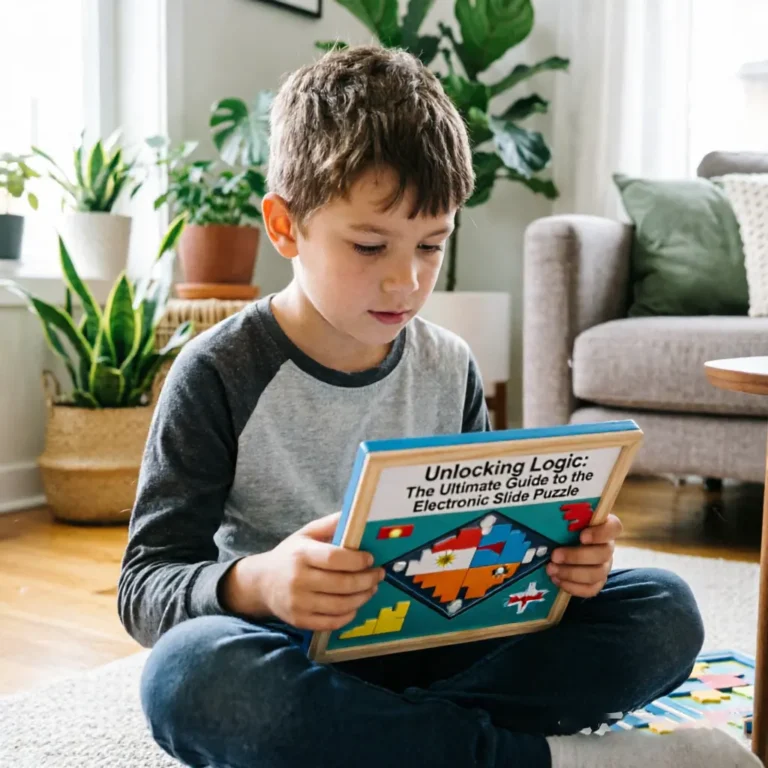
As parents increasingly focus on children’s cognitive growth and manual skills, mind development toys have become an essential tool in early childhood education and development. Unlike traditional toys that primarily provide entertainment, mind development toys are designed to stimulate exploration, problem-solving, and hands-on learning. Through interactive play, these toys help children develop critical thinking, focus, and hand-eye coordination. But how exactly do educational toys train the brain and fine motor skills? And why are more parents and educators choosing these toys? This article provides a detailed explanation, covering cognitive development, fine motor skills training, practical usage tips, and recommended toys.
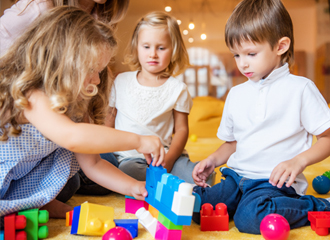
Cognitive Development Benefits of Mind Development Toys
Mind development toys provide children with continuous cognitive stimulation through diverse play scenarios and interactive tasks. During early childhood, the brain is highly plastic, and new experiences help form neural connections that enhance learning and thinking abilities. Unlike passive activities, these toys encourage children to actively explore, think critically, and solve problems—activities that are essential for brain development. For example:
- Building Blocks: Children need to use spatial imagination and logical planning skills when building houses, bridges or other structures. They must consider how pieces fit together, how to maintain stability, and the sequence of construction. This activity enhances spatial awareness, problem-solving skills, and strategic thinking.
- Puzzle Games: Puzzles strengthen pattern recognition while improving concentration. Completing a puzzle requires children to analyze shapes, colors, and patterns and experiment with different combinations. This process trains observation skills, short-term memory, and logical reasoning, while also developing patience and perseverance.
- Maze and Number Games: These activities challenge logical thinking and quick decision-making abilities. Maze games require planning and predicting outcomes, while number-based puzzles help children understand numerical relationships and basic logic. Through trial and error, children develop problem-solving strategies and independent thinking skills.
Regular play with mind development toys allows children to develop cognitive abilities, concentration, creativity, and problem-solving skills in a fun and engaging environment—making learning a natural part of play.
How Mind Development Toys Develop Fine Motor Skills
Fine motor skills refer to the coordination of the small muscles in the fingers, palms, and wrists. These skills are essential for activities like writing, drawing, using tools, dressing, and tying shoelaces. While many parents focus on cognitive development, hand dexterity is equally important. In fact, fine motor skill development is closely linked to brain growth, and mind development toys are ideal for training both simultaneously.
- Bead or Ring Toys: These toys improve hand-eye coordination and finger dexterity. Children must accurately thread beads onto strings or place rings onto pegs, which requires precise hand movements coordinated with visual focus. Regular practice enhances concentration, hand-eye coordination, and finger control, preparing children for writing and drawing tasks.
- Interlocking Blocks: Whether large or small, these blocks require precise gripping, twisting, and assembling. Repeated practice strengthens hand muscles and improves coordination, while also enhancing spatial awareness and problem-solving abilities during construction.
- Drawing and Coloring Toys: Activities like coloring and drawing strengthen hand stability and patience. The use of a pencil or brush in restricted spaces will enable the child to develop wrist and finger movements in addition to being creative, focused, and developing an appreciation for aesthetics.
Through engaging and challenging activities, children improve hand coordination and muscle control while gaining confidence and a sense of achievement, laying a solid foundation for future learning and daily life skills.
How to Use Mind Development Toys Effectively
1. Choose Age-Appropriate Toys
Children at different ages have varying cognitive and motor skill levels, so selecting appropriate mind development toys is crucial. Toys that are too simple may bore children, while overly complex toys can cause frustration. For example, toddlers around 3 years old can benefit from large building blocks, simple puzzles, and basic beaded toys—toys that are safe and easy to use. Children aged 5–6 can handle more complex puzzles, logic games, and intricate building sets, providing greater developmental challenges.
2. Gradually Increase Difficulty
Child development is an ongoing process, and the challenge of toys should also increase gradually. Start with simple tasks to help children build confidence, and then gradually increase the difficulty. For example, puzzles can be increased from 10-20 pieces to over 50 pieces, and building blocks can progress from simple shapes to complex structures. Appropriate challenges can maintain children’s interest and promote the continuous development of their cognitive abilities.
3. Combine Play with Guidance
While mind development toys encourage independent exploration, parental involvement significantly enhances learning. Questions to ask would be “Why did the building collapse?” to guide problem-solving. This interactive teaching method can cultivate analytical skills, encourage independent thinking, and strengthen parent-child communication.
4. Maintain Consistency and Fun
Even the best toys have limited impact if used sporadically. Schedule regular play sessions, such as 20–30 minutes daily or several times a week, while keeping the environment relaxed and enjoyable. Rotating different types of mind development toys ensures novelty and sustained interest, allowing children to continue exploring and learning.

Recommended Mind Development Toys for Brain and Fine Motor Skills
- Wooden Building Blocks: Enhance spatial imagination and hand-eye coordination. Multiple shapes and sizes challenge children to think about balance and design while promoting creativity and coordination.
- Puzzle Games: Strengthen logical thinking and focus. Puzzles teach children to analyze details, relate parts to the whole, and develop patience and persistence.
- Bead Sets: Improve finger dexterity and fine motor control. Precise manipulation and concentration train hand muscles and hand-eye coordination.
- Maze and Mini Puzzle Toys: Foster problem-solving skills and focus. Children experiment with multiple strategies, building reasoning and perseverance.
- Drawing/Coloring Boards: Promote creativity and fine motor control. These activities allow children to express ideas while refining hand stability and pre-writing skills.
Conclusion
Developmental toys do not just entertain; they play an integral role in the cognitive and physical development of the child. Parents should select toys based on their child’s age, interests, and development stage to create a meaningful play-learning experience.
As a leading brand specializing in educational and cognitive development toys, Smart Tomato is committed to providing high-quality mind development toys worldwide. Beyond our standard product range, we offer customized solutions based on clients’ designs, educational concepts, brand requirements, or product ideas. Whether it’s product appearance, functional design, packaging, or brand-specific features, Smart Tomato can create personalized toys that meet client needs and stand out in the market.
If you are looking for innovative toys that promote children’s brain development and fine motor skills, or wish to develop custom educational toys, contact us today. Smart Tomato’s professional team offers a full-service solution—from product design and prototype development to manufacturing—to help create meaningful learning and growth experiences for children.