In today’s interconnected world, knowing multiple languages is indeed an extremely valuable asset. Parents who would like to know how to help their children learn another language while they are still young can resort to bilingual learning toys, which make the process of language learning easier and more enjoyable for children. This guide sheds light on the science, benefits, and features of these educational toys.
Why Bilingual Learning Toys Are Crucial During Early Years
It is important to note that the brain undergoes crucial development during early years, particularly concerning language skills. These toys have been created to take advantage of this phase where there is maximum neuroplasticity. In contrast to screen-based learning, which does not demand much effort from the learner’s side, these toys are designed in such a way as to make children interact with their environment. They learn how to listen, think, and react, developing language skills, memory skills, and flexibility of the mind.
Key Characteristics of Effective Bilingual Learning Toys
Not every toy can be considered of good quality. In looking for the best learning toys, it is necessary to know some of their key characteristics, which help identify the toys that will be not just educational but also durable and safe.
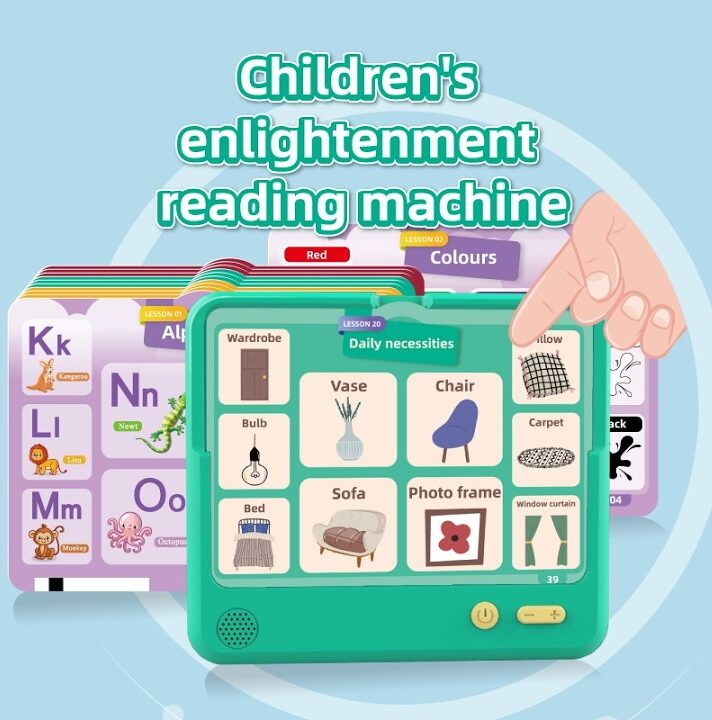
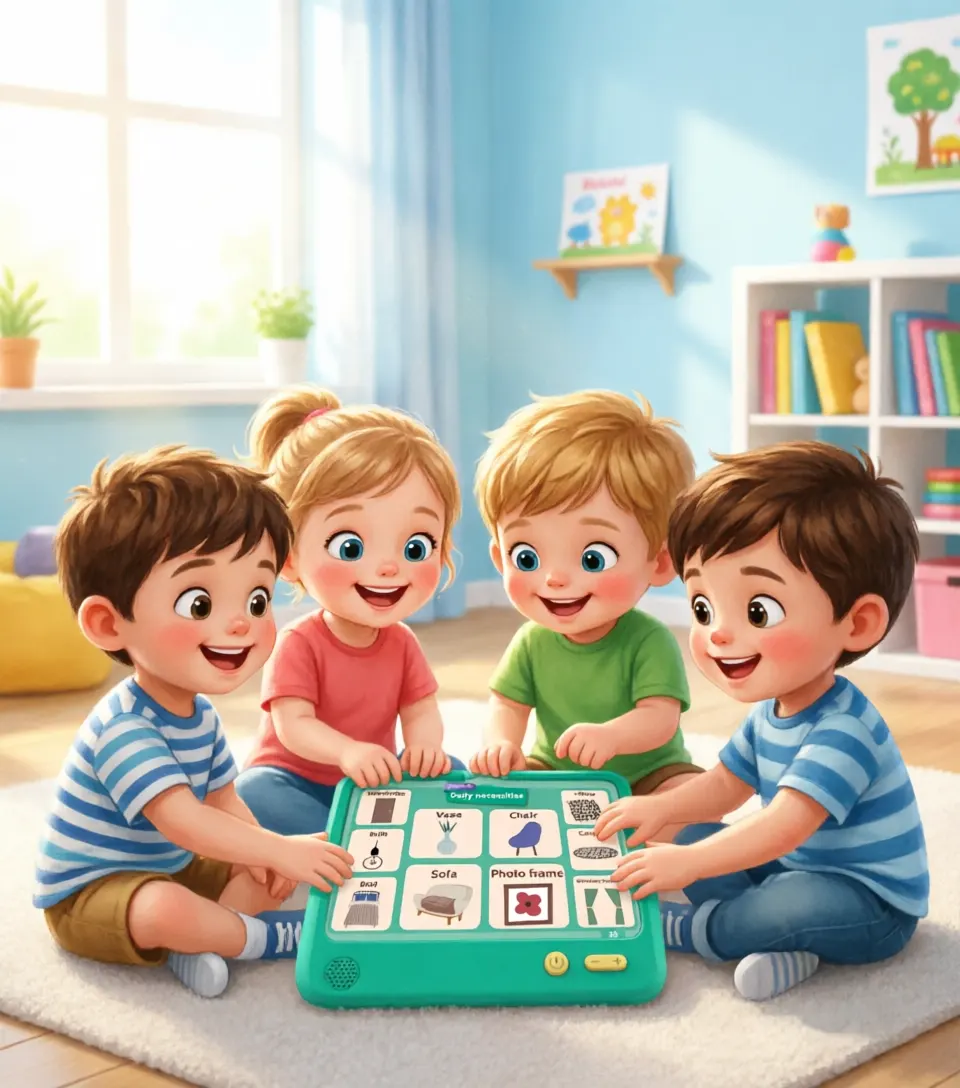
- Physical Interaction Mechanism: It goes without saying that the best toys are those with a physical interaction component. In particular, it could be a mechanism called “card plug-and-learn”. In this way, children will insert the card and hear its pronunciation, thus connecting the visual symbol and its pronunciation in terms of their memory.
- Human Voice Recording: Proper articulation cannot be compromised at any cost. The best bilingual learning toys always include human voice recordings in both languages, as opposed to mechanical text-to-speech programs. This way, children will learn correct pronunciation and intonation right from the beginning.
- No Screens and Eye-Friendly: We live in an era where we are all surrounded by smartphones and computers; therefore, no screens in toys are definitely beneficial since these toys do not put any strain on children’s developing eyes. In addition, they do not distract a child with different notifications or applications. As a result, a kid may learn thoroughly and deeply.
- Quality and Safe Material: Every toy is educational when it lasts long and is not harmful to kids. The high-quality bilingual learning toys have a body made of high-quality, non-toxic ABS plastic. Also, the learning cards should be wear-resistant and waterproof.
How Bilingual Learning Toys Enhance Language Skills
It goes without saying that the main goal of bilingual learning toys is to develop a sound linguistic base. In order to reach this aim, they focus on certain important aspects of language improvement in a playful way.
Building a Bilingual Vocabulary Base
Any language is based on vocabulary. With the help of such toys, new words can be memorized within certain contexts. For instance, a set consists of 50 or more cards that contain all kinds of topics that are the basis for developing vocabulary – alphabets, numbers, colors, animals, fruits, everyday objects, and so forth. With such cards, the child is able to learn numerous words in two different languages.
Pronunciation and Listening Skills
Listening and mimicking are crucial elements in the development of bilingual learning toys. The kid hears the pronunciation of each word after inserting the card into the machine. Then he or she has to repeat the word that they have heard, thus improving their pronunciation. This is a very useful tool to develop an accent and increase speaking skills.
Selecting Appropriate Bilingual Learning Toys for Your Child
The selection of the right toy is based on the age of your child, their interests, as well as their proficiency in language. The toy that does not match the age level will be either too difficult or too easy for your child.
- Age Level: It is important to consider the age of your child while selecting a bilingual learning toy. If the child is a preschooler aged 3-5, the toy must contain basic vocabulary along with simple concepts. For older children aged 6-8 years, sentences and questions can be included in the toy.
- Content: Take a look at the topics that are presented in the learning cards. Various topics, such as body parts, shapes, and daily necessities, make the learning more comprehensive and appropriate for the early education curriculum.
- Interactivity: The more interactive, the better, since active participation results in better outcomes. The toys requiring your kid to press some buttons or insert cards should be preferred to the ones playing the same sound all the time.
The Future of Language Learning is Playful
In today’s world, educational technologies are developing rapidly. Bilingual learning toys for kids are becoming more and more advanced and efficient, being a perfect combination of traditional games and cutting-edge learning techniques, which provide screenless and hands-on language education for kids who live in the 21st century. The use of such toys during the game period allows parents to give their children a great advantage in life, making them passionate about languages.
Explore our collection of unique educational toys and make bilingual learning a true adventure! Follow our brand and learn more about children’s development.