
There are many types of educational toys, but the sliding block puzzle is one of the most enduring types. Derived from mechanical puzzles of long ago, these puzzles have been entertaining people for hundreds of years. Modern times have seen a new twist on this type of educational toy. That twist comes in the form of the electronic sliding block puzzle.
Parents and teachers need to be aware of why such a tool is valuable for children to use. The electronic slide puzzle is more than just a toy. It is an instrument of education and helps to teach critical thinking skills in ways that video games never could. This guide explains what goes into electronic sliding block puzzles.
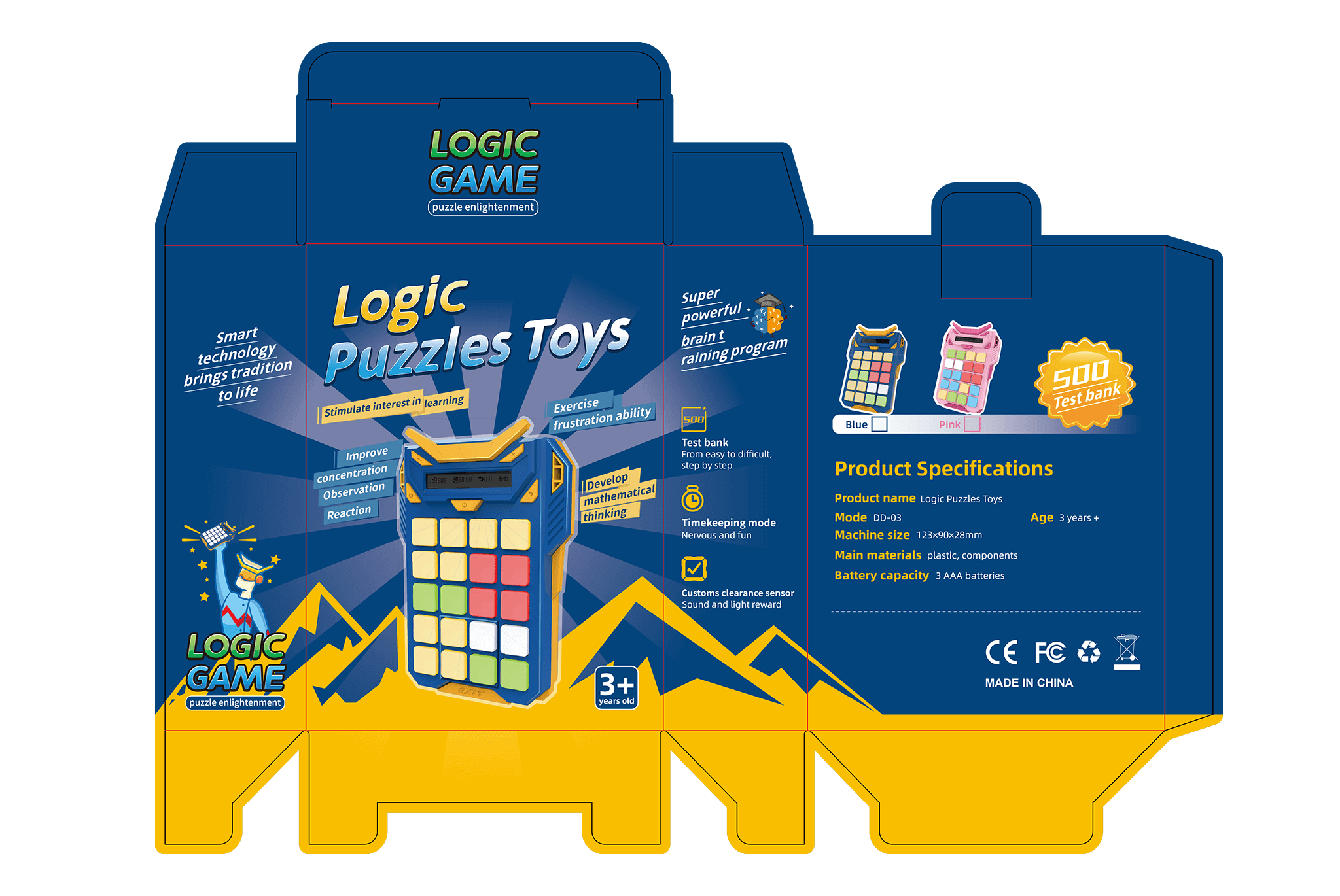
The Working Mechanism of the Electronic Slide Puzzle
The electronic sliding block puzzle retains the fundamental aim of shifting a certain block out through an exit point while adding technological innovations to make the game better. This sliding puzzle does not have the conventional wooden board; instead, it has a microprocessor that helps control the game:
- Instant feedback: The system monitors every move you make in real time and immediately tells you with sound or visuals whether you’re on the right track or have hit a dead end.
- Self-Correction: Due to the instant feedback feature, users can self-correct and change their approach without assistance.
The electronic slide puzzle also offers incredible scalability to keep players engaged:
- Multiple Difficulty Levels: A single device can hold hundreds of unique layouts.
- Progressive Learning:It ranges from beginner setups that teach basic mechanics to expert levels that demand deep strategic planning.
The Pedagogical Principles: Why It Works
To understand why an electronic sliding block puzzle is effective, we must look at the educational theories it employs. It draws heavily from the principles of “constructionism” and spatial reasoning development.
- Algorithmic Thinking: To solve these riddles, one must take a certain procedure into hand. One should break down the overall problem of solving the level into smaller problems of moving certain blockers away. It’s the basis of algorithmic thinking, which is one of the cornerstones of computer science and mathematics.
- Working Memory: As players interact with the blocks on the board, they have to keep in mind the board’s state after a particular action. If you move this piece over, that other spot will free up some space. This kind of ‘think three steps ahead’ mindset is actually like giving your brain’s working memory a workout.
- Resilience and Trial-and-Error: By its very nature, an electronic slide puzzle encourages trial and error. Making a wrong move doesn’t mean stopping; it means getting more data. After going through mistakes and negative feedback, players learned the future dos and don’ts.
The Electronic Puzzle vs. Traditional: The Edge of the Electronic
We might as well ask this question: ‘Why lean towards digital formats compared to traditional ones?’ Wooden puzzles are great, but electronic slide puzzles, with their unique advantages, fit the needs of modern kids even better.
- Portability and Durability: Traditional puzzles come with separate pieces, which are easy to lose. An electronic version of this toy is durable because it is compact and has all its parts built into it. That makes it portable and great to carry around while traveling by car or plane.
- Gamification: Timers, move counters, and sounds turn solving puzzles into a game. There are many kinds of electronic sliding block puzzles, which require beating one’s old record or solving the level with the fewest number of moves possible. The process becomes more interesting in this way.
- Convenience: Kids, who may be annoyed by the jamming or difficult movement of a piece in a traditional puzzle, will like the “click” sound that comes when pushing the button in the electronic version.
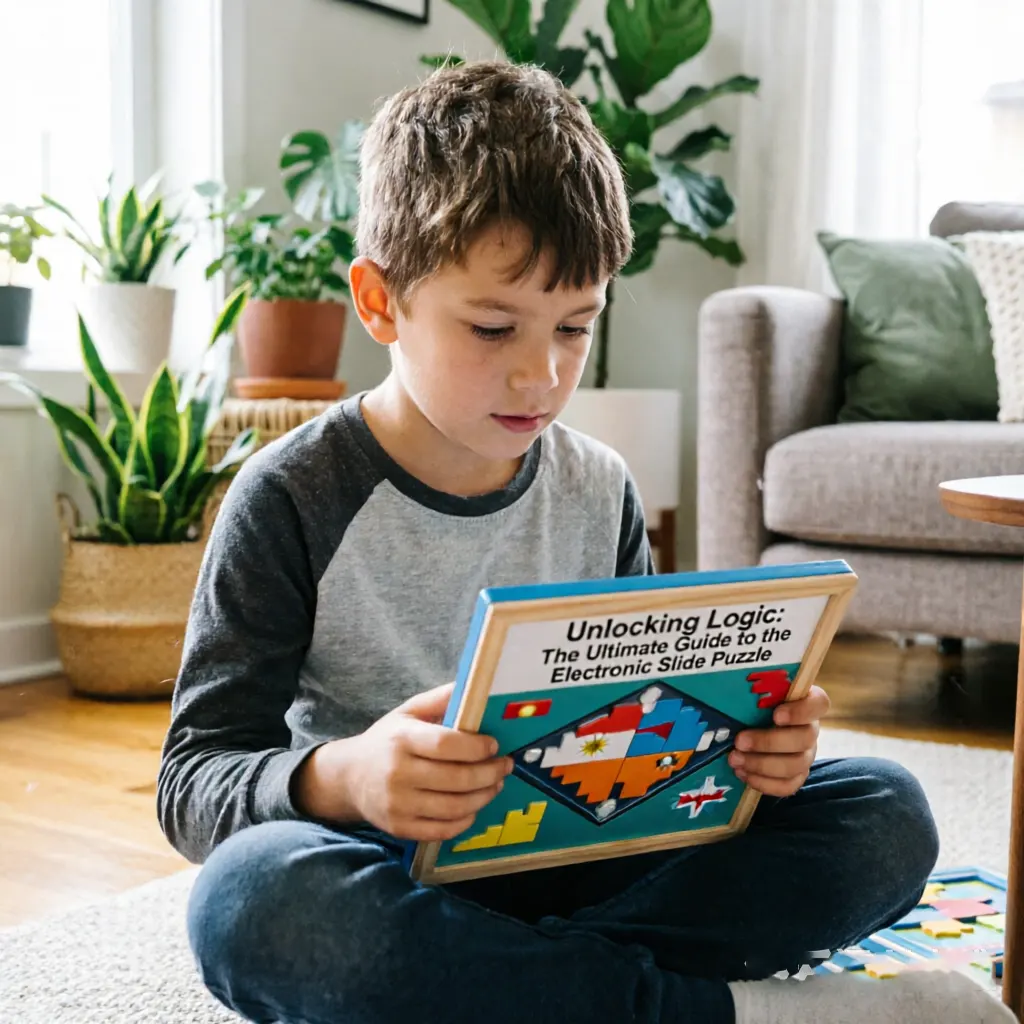
Developing Spatial Awareness and Logic
Understanding spatial relations refers to knowledge about the relation of objects to space and to one another. Spatial awareness plays a vital role in such disciplines as surgery and architecture. The electronic slide puzzle is a gym for spatial intelligence. When a child plays, they are constantly performing mental rotations. They visualize how a horizontal block will fit into a vertical gap. They sketch out the journey of the “hero” as he forged ahead through the maze of obstacles. This exercise helps to build up neural connections related to geometry and physics.
What’s more, the reasoning needed is deductive. After examining the board, the player realized, ‘The red block can’t move down because the blue block is in the way, so the blue block has to move left.’ This kind of ‘if-then’ logic forms the foundation of logical argumentation. In solving the electronic slide puzzle, the kids unknowingly prepare their minds for the more advanced subjects to come in the future.
Screen-Free Engagement in a Digital World
The electronic slide puzzle offers a refreshing middle ground in an age where children are increasingly glued to screens. Though it is an “electronic” toy that may appeal to children who are used to seeing lights and hearing sounds, it is primarily tactile and mechanical.
The main advantage of this move for parents and kids is:
- No Passive Content: There are no scrollable feeds, videos, or connection to the internet.
- Minimal Screen Usage: There is only a small screen that shows the game’s progress (level, time, battery).
- Health Benefits: Make kids love digital interaction while boosting their hands-on skills and focus.
Selecting the Ideal Puzzle
While selecting an electronic slide puzzle to introduce into the life of a child, you may want to consider the following aspects:
- Age Compatibility: Choose a device that offers different levels of difficulty. A toy that is too difficult to solve will frustrate the player, and an easy one will bore him. A good toy puzzle will have different levels of difficulty, from basic 3×3 puzzles to advanced 5×5 or jumbled ones.
- Durability: As these are handheld puzzles, the chances of dropping them are high. You would want to have a sturdy casing, usually made up of ABS plastic, with responsive yet durable buttons.
- Feedback Mechanisms: plastic,re the puzzle device gives feedback audio-visually.A child needs to know immediately if they have solved the level or made an error.
- Power Source: Check if the electronic slide puzzle uses standard batteries (like AAA) or requires charging. Standard batteries are often more convenient for travel as they can be swapped out instantly.
The Role of Parents and Educators
While the electronic slide puzzle is designed for independent play, the role of the adult is still significant.
- Encouragement: When a child is stuck, encourage them to verbalize their thought process. “What are you trying to move? Why is it stuck?” This metacognition helps them identify their own blockers.
- Challenge: For advanced players, introduce constraints. “Can you solve this level without moving the yellow block?” or “Can you beat your time by 10 seconds?”
- Connection: Relate the game to real-world scenarios. Explain that the logic used to navigate the blocks is similar to navigating a car out of a crowded parking lot.
Conclusion: A Timeless Challenge Modernized
The electronic slide puzzle represents the perfect evolution of classic brain teasers, blending ancient logic with modern technology. Be it for travel or brain games on a day-to-day basis, the toy proves to be a valuable learning tool in that it combines the elements of physical play and digital feedback. All in all, this toy gives the younger generation the necessary cognitive skills:
- Cognitive Development: It develops patience, logic, and spatial awareness.
- Real-Life Application: It equips one with the necessary skills to solve not only puzzles but also real-life issues.
Do you want to learn more about such toys? Follow Smarttomato for the latest updates on STEM learning tools and brain-teasing games. Let’s make learning fun together!